
Transformational market trends set to support growth of European road freight industry

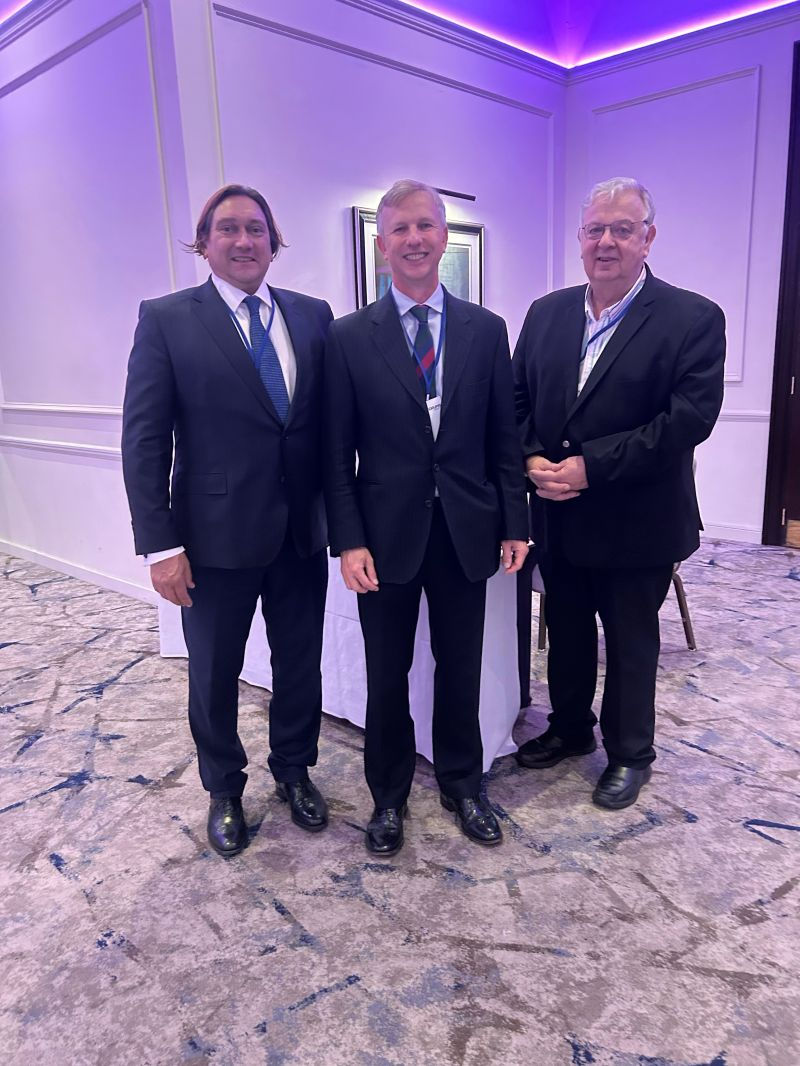
The European road freight sector is set to benefit from many of the global political, economic, technological and environmental forces which are impacting industry and society. This was the key message delivered by Ti Insight’s CEO, Professor John Manners-Bell, at his presentation at the Expeditors International Global Logistics Conference at Schiphol Airport, Amsterdam in June

.
New models have developed, creating a more resilient, yet more costly and ‘multi-dimensional’ environment for supply chain managers. This has led to the increased regionalisation and localisation of supply chains creating new opportunities for road and rail freight operators.
In particular, Manners-Bell highlighted:
The pressure for re-shoring and re-industrialisation that has resulted from political concerns over off-shoring and the loss of domestic jobs in the West.
The rise of near-shoring locations, such as Morocco, driven by tariffs, supply chain diversification strategies and labour costs, especially for automotive manufacturers.
higher levels of investment in European transport infrastructure caused by the war in Ukraine. This will have a multiplying effect on economic growth and logistics spending by the major defence manufacturers.
The headwinds which new green legislation will provide for intercontinental transportation. At the same time ‘circularity’ will encourage regional flows of reclaimed and recycled materials within Europe.
Turning to more short term considerations, he highlighted datacentre build out, a resilient performance by the automotive sector, a European manufacturing recovery and resurgent Spanish demand as the main drivers of the industry. However, headwinds not only include the cost pressures faced by operators as a result of the conflict in the Gulf but the lack of AI and technology adoption in a highly fragmented market.
In conclusion, he asserted that while international volumes will continue to grow, the pattern of trade flows will change. New regional and local models will proliferate supporting European road, rail and short sea shipping operations.

Comments